Optimizing Performance Using Statistics
Windy City DevFest • Chicago
August 1, 2023
Technical Talk
Software Engineers & DevOps Practitioners
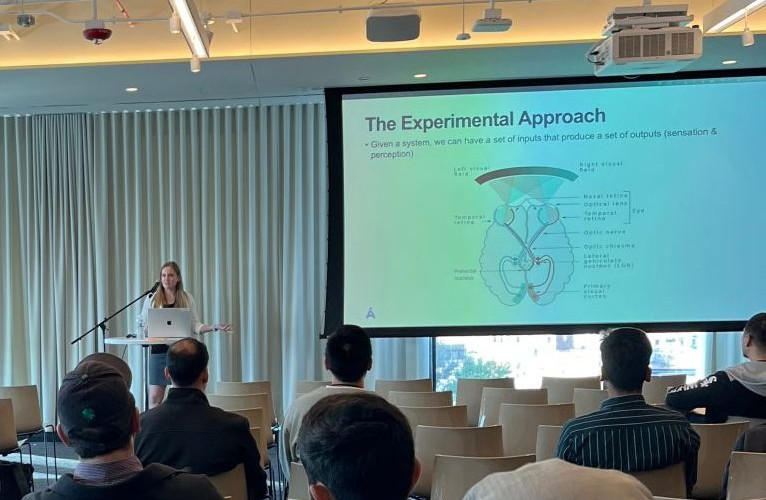
Exploring how statistical analysis and data-driven insights unlock hidden patterns in system performance, enabling smarter monitoring, faster anomaly detection, and more resilient infrastructure.
Key Themes
- •Performance monitoring
- •Statistical analysis
- •Anomaly detection
- •System reliability
- •Data-driven insights
Why Statistics Matter in Performance Monitoring
Most teams monitor systems reactively — waiting for alerts to fire, then scrambling to understand what went wrong. But statistics change that equation. By understanding the distribution of your metrics, you can detect anomalies before they become incidents. You can spot patterns that raw numbers alone would miss.
The Hidden Signal in Your Data
Every system generates noise. Latency fluctuates. CPU usage spikes. Memory usage varies. Traditional monitoring treats these as separate events. Statistical approaches treat them as signals within noise. When you understand the baseline distribution of your metrics, you can identify true anomalies — the moments when something genuinely breaks from the pattern.
Percentiles Tell a Better Story Than Averages
An average response time of 100ms sounds good until you realize the 99th percentile is 5 seconds. That's where your users feel pain. Statistics let you see the full picture: not just what's typical, but what's happening at the extremes. That's where optimization matters most.
Building Resilience Through Data
The most resilient systems aren't the ones that never fail — they're the ones that fail predictably and recover quickly. Statistical monitoring helps you understand your system's failure modes, predict when they're likely to occur, and build safeguards accordingly. It's the difference between reactive firefighting and proactive engineering.
The Path Forward
Performance optimization isn't about chasing every metric. It's about understanding which metrics matter, what their normal behavior looks like, and when they deviate in ways that impact your users. Statistics gives you the framework to make those distinctions with confidence.